


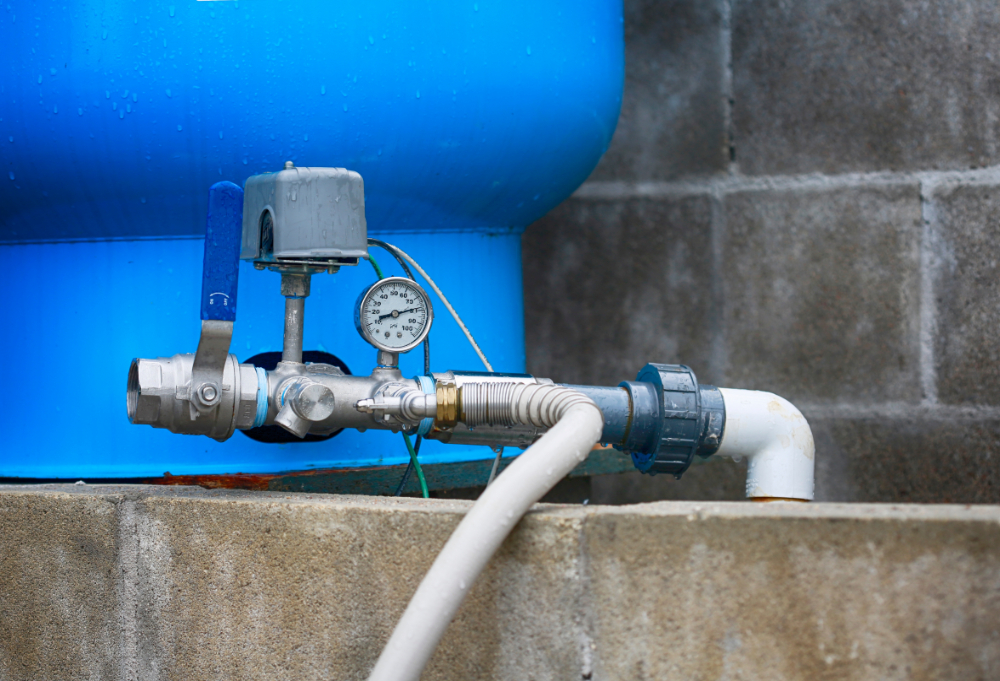
If your home relies on a private well for water, the pump is one of the most critical components keeping everything running smoothly. When it starts to fail, the warning signs are not always obvious right away. Some issues creep up gradually, while others seem to appear out of nowhere. Either way, knowing the signs of well pump failure early can save you from a complete system breakdown and a costly emergency repair. Here is what to look for before the problem gets out of hand.
1. You Notice a Sudden Drop in Water Pressure
One of the most common and noticeable failing well pump symptoms is a drop in water pressure throughout your home. If your showers feel weaker than usual, your faucets are barely trickling, or your dishwasher and washing machine are taking longer to fill, your pump may be struggling to move water efficiently.
Low water pressure in a well system can stem from several pump-related issues. The pump motor may be wearing out, the pump itself could be partially clogged with sediment, or the impeller inside the pump may be damaged. In some cases, the pressure tank that works alongside your pump may be waterlogged, which forces the pump to cycle on and off constantly rather than maintaining steady pressure.
It is important not to brush off low water pressure in a well system as a minor inconvenience. Consistent pressure problems are often one of the earliest indicators that your pump is heading toward failure. The sooner you address it, the better your chances of avoiding a complete replacement.
2. Your Water Pressure Fluctuates Without Explanation
Beyond a steady drop in pressure, unexplained fluctuations can also point to a failing pump. If your water pressure surges and dips unpredictably while you are running a single faucet or appliance, that inconsistency suggests the pump is not operating at a stable level.
This kind of behavior is often tied to a failing pressure switch or a pump motor that is losing its ability to maintain a consistent output. A healthy well pump should cycle on at a set pressure and shut off once it reaches the upper threshold. When that cycle becomes erratic, it usually means something mechanical is going wrong inside the system.
If you notice your lights flickering slightly at the same time your water pressure dips, that is another clue. The pump motor may be drawing irregular amounts of electricity as it struggles to run, which creates a visible effect on your home’s electrical circuit.
3. You Hear Unusual Noises Coming From the Pump or Pipes
A well-functioning pump operates with relatively little noise. If you suddenly start hearing clicking, banging, grinding, or rapid cycling sounds coming from your pump or the pipes connected to it, those are signs of well pump failure you should not ignore.
Clicking sounds near the pressure tank often indicate a waterlogged tank, which causes the pump to short-cycle repeatedly. This means the pump is turning on and off far too frequently, putting enormous strain on the motor and wearing it down much faster than normal.
Grinding or rattling noises, on the other hand, often point to worn bearings inside the pump motor or debris interfering with the pump’s moving parts. If sediment or sand has made its way into the pump, it can cause internal damage that compounds over time. The longer these sounds go unaddressed, the more extensive the damage tends to become.
4. Your Water Appears Discolored or Contains Sediment
Clean, clear water is what you should expect from a properly functioning well system. If you turn on a faucet and notice brown, rust-colored, or murky water coming through, that is a red flag worth investigating immediately. Discolored water can signal several things, many of which point back to the pump.
When a well pump begins to fail, it may start pulling in sediment, sand, or silt from the bottom of the well. This happens when the pump drops lower in the well casing than it should, or when the screen that filters debris becomes damaged. Rust-colored water can also indicate corrosion inside the pump itself or within the piping connected to it.
Beyond being unpleasant to look at, discolored water can clog your home’s fixtures, damage appliances, and affect the quality of your drinking water. If this issue appears alongside other failing well pump symptoms such as low pressure or unusual sounds, your pump likely needs professional attention soon.
5. Your Electricity Bills Have Gone Up Unexpectedly
A sudden and unexplained increase in your electricity bill is one of the more overlooked signs of well pump failure. Well pumps rely on electric motors to operate, and when those motors start to deteriorate, they tend to draw significantly more power than they should.
If your pump motor is struggling due to worn components, failing capacitors, or other internal damage, it will work harder and longer to accomplish the same task it once handled easily. That extra effort translates directly into higher energy consumption. If you have ruled out other possible causes for the spike in your utility bill and your water usage has not changed, the pump motor deserves a closer look.
A professional pump technician can test the amp draw of your pump motor to determine whether it is consuming more electricity than its rated specifications allow. This kind of diagnostic test can confirm whether energy inefficiency is coming from a deteriorating pump before the motor burns out completely.
6. Your Pump Runs Continuously Without Shutting Off
Under normal operation, your well pump should cycle on when water pressure drops below a set point and shut off once it reaches the upper threshold. If you notice that your pump seems to be running all the time without shutting off, that is a serious sign that something is wrong.
A pump that runs continuously could indicate a significant drop in the water table, a leak somewhere in the plumbing system, a failed pressure switch, or a pump that has lost the ability to build adequate pressure. In some cases, the pump is working constantly because it simply cannot keep up with demand or maintain pressure on its own.
Continuous pump operation accelerates wear on the motor dramatically. What might have been a manageable repair can become a complete motor burnout if left unchecked for too long. If you suspect your pump is running non-stop, listen for the sound of the motor near the pressure tank and call a professional as soon as possible.
7. You Have No Water at All
The most obvious and alarming sign of well pump failure is turning on a faucet and getting nothing. A complete loss of water almost always points to a pump or power issue that requires immediate attention.
Before calling a technician, check your home’s electrical panel to see if the breaker connected to the pump has tripped. Sometimes a power surge or brief overload can trip the breaker without permanently damaging the pump. Resetting it may restore water temporarily.
However, if the breaker is fine and you still have no water, the pump motor may have burned out entirely, or the pump could have become stuck in the well casing. Submersible pumps, which sit deep underground, can be particularly difficult to diagnose without professional equipment. In this situation, do not attempt to pull the pump yourself unless you have specific experience doing so.
Conclusion
Recognizing the failing well pump symptoms described above gives you a real advantage when it comes to protecting your water supply and managing repair costs. Whether you are dealing with low water pressure in a well system, strange noises, discolored water, or a complete loss of flow, acting quickly makes a meaningful difference. Regular inspections and early intervention are the best ways to extend the life of your pump and avoid the stress of an unexpected breakdown.
Need Water System Services Near You?
For over 60 years, our family-owned team at Crabtree Well Drilling has proudly provided dependable well drilling and water system services to homeowners throughout Kingston, Washington. From well inspections and water sampling to new installations, decommissions, pump and tank services, and expert plumbing solutions, we use advanced technology and trusted expertise to deliver quality results you can count on. As a licensed, bonded, and insured contractor, we are committed to making every project smooth and stress-free with clear communication and reliable estimates. Whether you need a brand-new well or routine maintenance for your existing system, our experienced team is ready to help. Contact us today to schedule your service and discover how our trusted professionals can provide the water solutions your home deserves.